What is sleep?
Sleep is a period of unconsciousness when the body and brain recover and maintain metabolism. During sleep, the brain consolidates memories and flushes toxins to maintain cognitive health. Sleep also supports immune and muscle recovery.

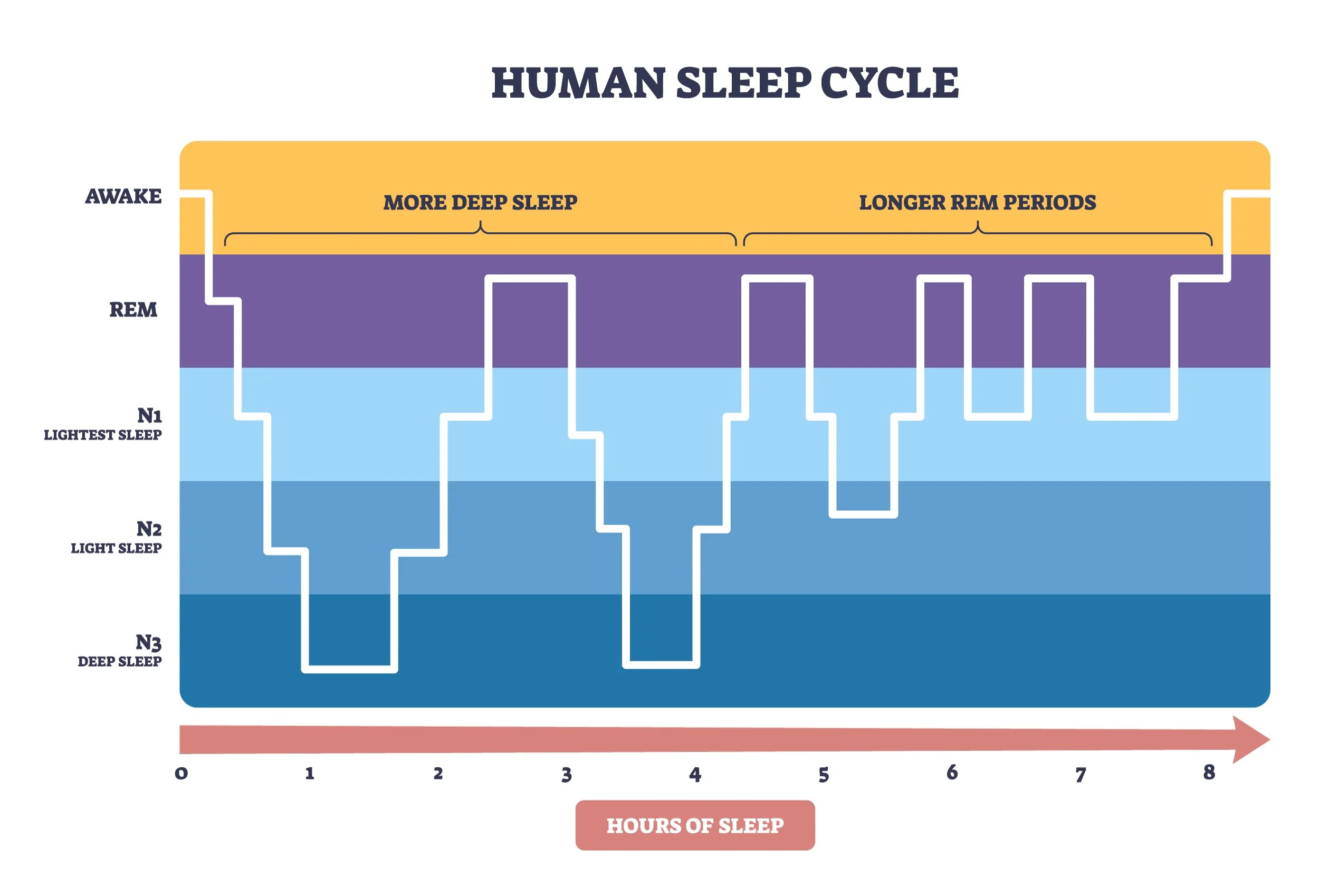
What are the sleep stages?
The body cycles through the stages approximately every 90 minutes during sleep. The stages are:
1: Non REM 1 (Light Sleep)
2: Non REM 2 (Slow Wave)
3: Non REM 3
4: Non REM 4 (Deep Sleep)
5: Rapid Eye Movement (Dreaming)
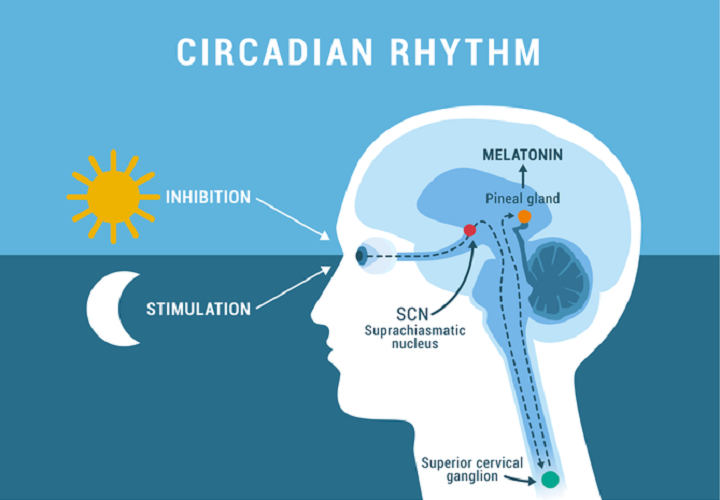
What is the circadian rhythm?
The circadian rhythm is the body’s internal clock, controlling when we feel alert versus sleepy. It is controlled by the hypothalamus in the brain; it regulates our sleep and wake cycles, hormone release, body temperature, and metabolism. It occurs in about a 24 hour period.

Why is sleep important?
The impact of sleep is wide in scope in terms of our health. During sleep, our brain encourages learning by consolidating memories and refining neural pathways as we gain new knowledge. The body takes the time to recover and flush toxins. Without quality sleep, the immune, nervous, cardiovascular, and digestive systems are all at risk.

How does the circadian rhythm support good sleep?
The circadian rhythm keeps our sleep and wake cycles matched with the world. In darkness, the body releases melatonin, supporting sleepiness.

Where can I learn more about sleep?
If you are interested in learning more about sleep, you can read the paper published by the Sleep Matters Initiative here.